15 Topics
 10 Days
 60 Sessions
Programme Overview
Training Description
Who Should Attend
This course is ideal for;
- EHS auditors
- Compliance officers
- Environmental managers
- Safety managers
- Facility managers
- Quality managers
- Risk managers
- Legal professionals
- Internal auditors
- Consultants
- Students of environmental science and occupational safety
- Individuals interested in EHS auditing
- Operations managers
- Project managers
- Sustainability officers
Session Objectives
- Understand the principles and importance of EHS audits.
- Implement techniques for planning and preparing for EHS audits.
- Understand the role of regulatory requirements in EHS auditing.
- Implement techniques for conducting effective on-site EHS audits.
- Understand the principles of documenting audit findings and non-conformances.
- Implement techniques for developing clear and concise audit reports.
- Understand the role of corrective actions and preventive measures in EHS audits.
- Implement techniques for verifying the effectiveness of corrective actions.
- Understand the legal and ethical considerations in EHS auditing.
- Implement techniques for conducting follow-up audits and continuous improvement.
- Understand the challenges and opportunities of conducting audits in diverse EHS settings.
- Understand the role of technology in enhancing EHS audit processes.
- Develop strategies for maintaining and improving EHS audit programs.
About the Course
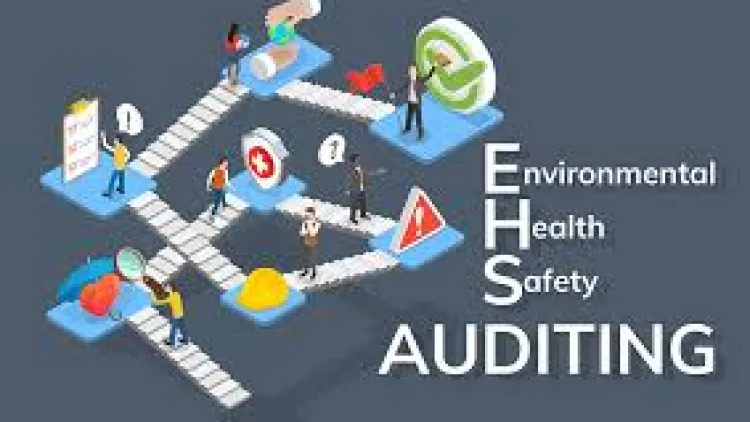
Environmental Health and Safety (EHS) Audits equips professionals with the methodologies to conduct thorough and effective audits of EHS management systems. This course focuses on analyzing regulatory requirements, implementing audit protocols, and understanding the impact of audit findings on organizational compliance and performance. Participants will learn to utilize audit checklists, develop audit reports, and understand the intricacies of corrective action and continual improvement in EHS management. By mastering EHS auditing, professionals can enhance organizational compliance, minimize environmental and safety risks, and contribute to the creation of a sustainable and safe workplace.
The increasing demand for robust EHS management necessitates a comprehensive understanding of effective auditing practices. This course delves into the nuances of regulatory interpretation, risk assessment, and performance evaluation, empowering participants to develop and implement tailored audit programs. By integrating legal expertise with practical EHS knowledge, this program enables individuals to lead EHS audit initiatives and contribute to the creation of a compliant and responsible organizational framework.
Curriculum & Topics
15 Topics | 60 Sessions
-
 Workshop 1.1:
Principles and importance of EHS audits.
-
Workshop 1.2:
Understanding the role of audits in EHS management systems.
-
Workshop 1.3:
Benefits of effective EHS auditing.
-
Workshop 1.4:
Historical context and evolution of EHS audits.
-
Workshop 2.1:
Techniques for planning and preparing for EHS audits.
-
Workshop 2.2:
Implementing audit planning checklists and protocols.
-
Workshop 2.3:
Utilizing risk assessment and scoping techniques.
-
Workshop 2.4:
Managing audit preparation.
-
Workshop 3.1:
Role of regulatory requirements in EHS auditing.
-
Workshop 3.2:
Implementing regulatory compliance assessments.
-
Workshop 3.3:
Utilizing legal registers and compliance tools.
-
Workshop 3.4:
Managing regulatory compliance.
-
Workshop 4.1:
Techniques for conducting effective on-site EHS audits.
-
Workshop 4.2:
Implementing audit observation and interview techniques.
-
Workshop 4.3:
Utilizing audit checklists and protocols.
-
Workshop 4.4:
Managing on-site audits.
-
Workshop 5.1:
Principles of documenting audit findings and non-conformances.
-
Workshop 5.2:
Implementing audit documentation standards and procedures.
-
Workshop 5.3:
Utilizing audit software and reporting tools.
-
Workshop 5.4:
Managing audit documentation.
-
Workshop 6.1:
Techniques for developing clear and concise audit reports.
-
Workshop 6.2:
Implementing audit report writing and presentation skills.
-
Workshop 6.3:
Utilizing audit report templates and formats.
-
Workshop 6.4:
Managing audit report development.
-
Workshop 7.1:
Role of corrective actions and preventive measures in EHS audits.
-
Workshop 7.2:
Implementing root cause analysis and corrective action planning.
-
Workshop 7.3:
Utilizing preventive action strategies and techniques.
-
Workshop 7.4:
Managing corrective actions.
-
Workshop 8.1:
Techniques for verifying the effectiveness of corrective actions.
-
Workshop 8.2:
Implementing follow-up audit procedures and verification techniques.
-
Workshop 8.3:
Utilizing performance metrics and feedback mechanisms.
-
Workshop 8.4:
Managing corrective action verification.
-
Workshop 9.1:
Legal and ethical considerations in EHS auditing.
-
Workshop 9.2:
Implementing professional conduct and integrity.
-
Workshop 9.3:
Utilizing ethical guidelines and best practices.
-
Workshop 9.4:
Managing legal and ethical risks.
-
Workshop 10.1:
Techniques for conducting follow-up audits and continuous improvement.
-
Workshop 10.2:
Implementing audit program evaluation and improvement strategies.
-
Workshop 10.3:
Utilizing feedback mechanisms and performance metrics.
-
Workshop 10.4:
Managing continuous improvement.
-
Workshop 11.1:
Challenges and opportunities of conducting audits in diverse EHS settings.
-
Workshop 11.2:
Implementing auditing strategies in different industry sectors and environments.
-
Workshop 11.3:
Utilizing auditing techniques in multinational and global operations.
-
Workshop 11.4:
Managing auditing in diverse contexts.
-
Workshop 12.1:
Role of technology in enhancing EHS audit processes.
-
Workshop 12.2:
Implementing audit management software and data analytics tools.
-
Workshop 12.3:
Utilizing mobile auditing apps and digital platforms.
-
Workshop 12.4:
Managing technology integration.
-
Workshop 13.1:
Strategies for maintaining and improving EHS audit programs.
-
Workshop 13.2:
Implementing audit program review and revision processes.
-
Workshop 13.3:
Utilizing performance data and feedback mechanisms.
-
Workshop 13.4:
Managing audit program improvement.
-
Workshop 14.1:
Analyzing real-world examples of EHS audits.
-
Workshop 14.2:
Highlighting best practices and innovative auditing solutions.
-
Workshop 14.3:
Documenting project outcomes and impact.
-
Workshop 14.4:
Industry and auditing expert testimonials.
-
Workshop 15.1:
Exploring emerging trends and technologies in EHS auditing.
-
Workshop 15.2:
Integrating AI, machine learning, and data analytics.
-
Workshop 15.3:
Adapting to evolving regulatory landscapes and industry standards.
-
Workshop 15.4:
Building resilient and proactive auditing systems.